
Hey guys! I‘d like to talk about something that I used to do with my dad and grandma when I was younger; bird watching! It was never something we did seriously, but we loved to watch the birds around the house and see if we could name them. In fact, I think my dad always knew the names!
I’ve decided to stick with birds that can be seen in Central Indiana since it’s where I spend the majority of my time. I also resolved to omit the more common birds that everyone knows. Like blue jays, cardinals, robins, crows, ducks, geese, etc.
Without feather ado, it’s time to give a flying flock about birds, so let’s get started!
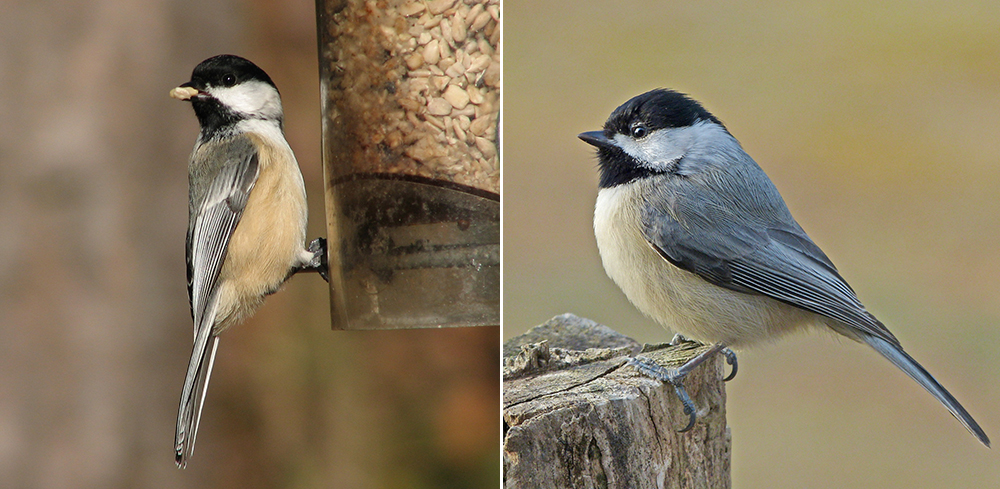
First up we have the Chickadee:
There are seven species of Chickadees, but only two of them in Indiana. They are very similar to each other, so it’s hard to tell them apart. However, it seems like the Black-Capped Chickadee is thinner than the Carolina Chickadee. These little guys hide away for the cold months, but they look so adorable!
Cool Fact: After searching to find the difference between males and females, I found that these little dudes are monomorphic. Which means the males and females look the same.
https://indianaaudubon.org/portfolio/chickadees/
Next is the American Goldfinch:
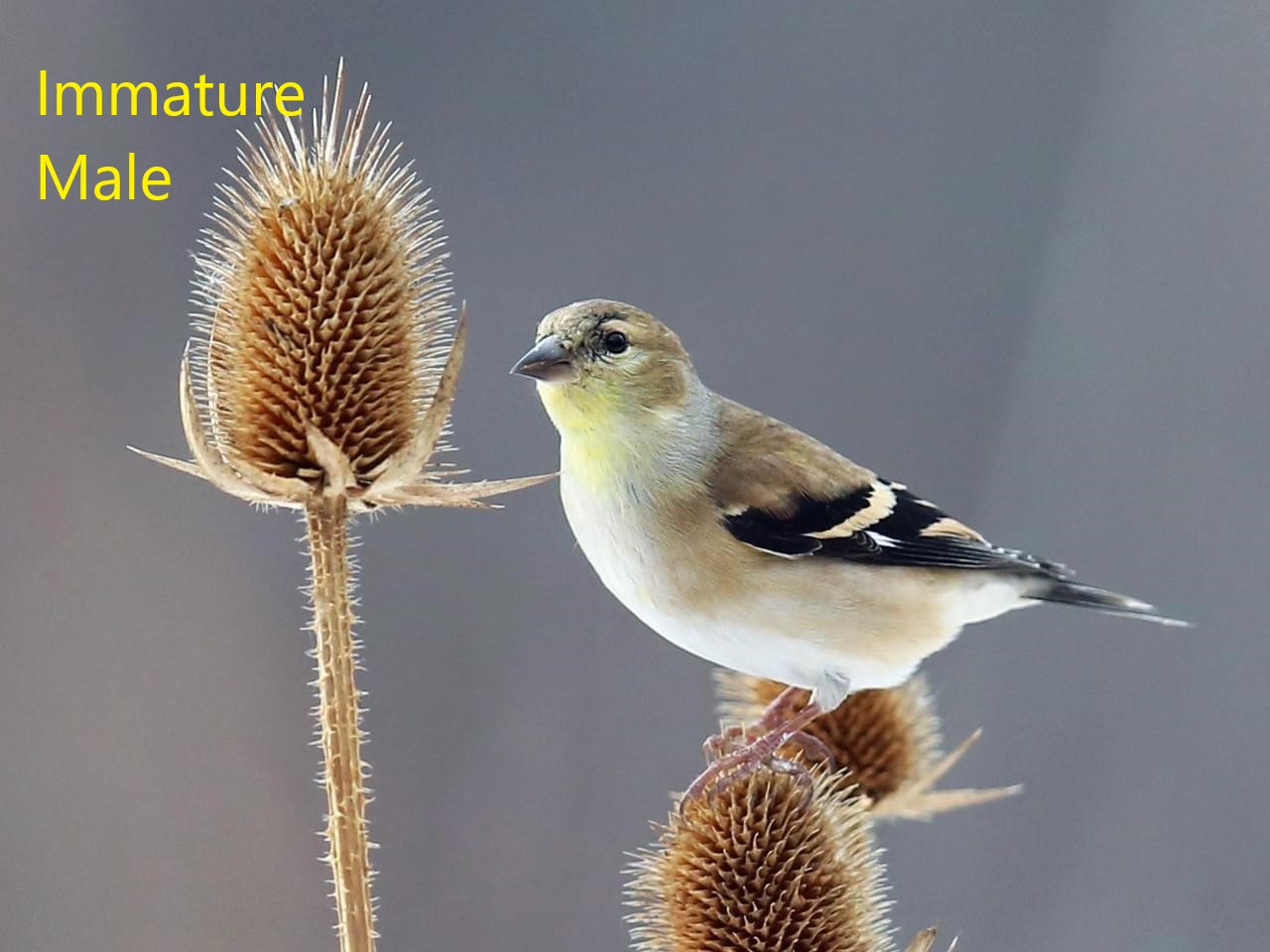
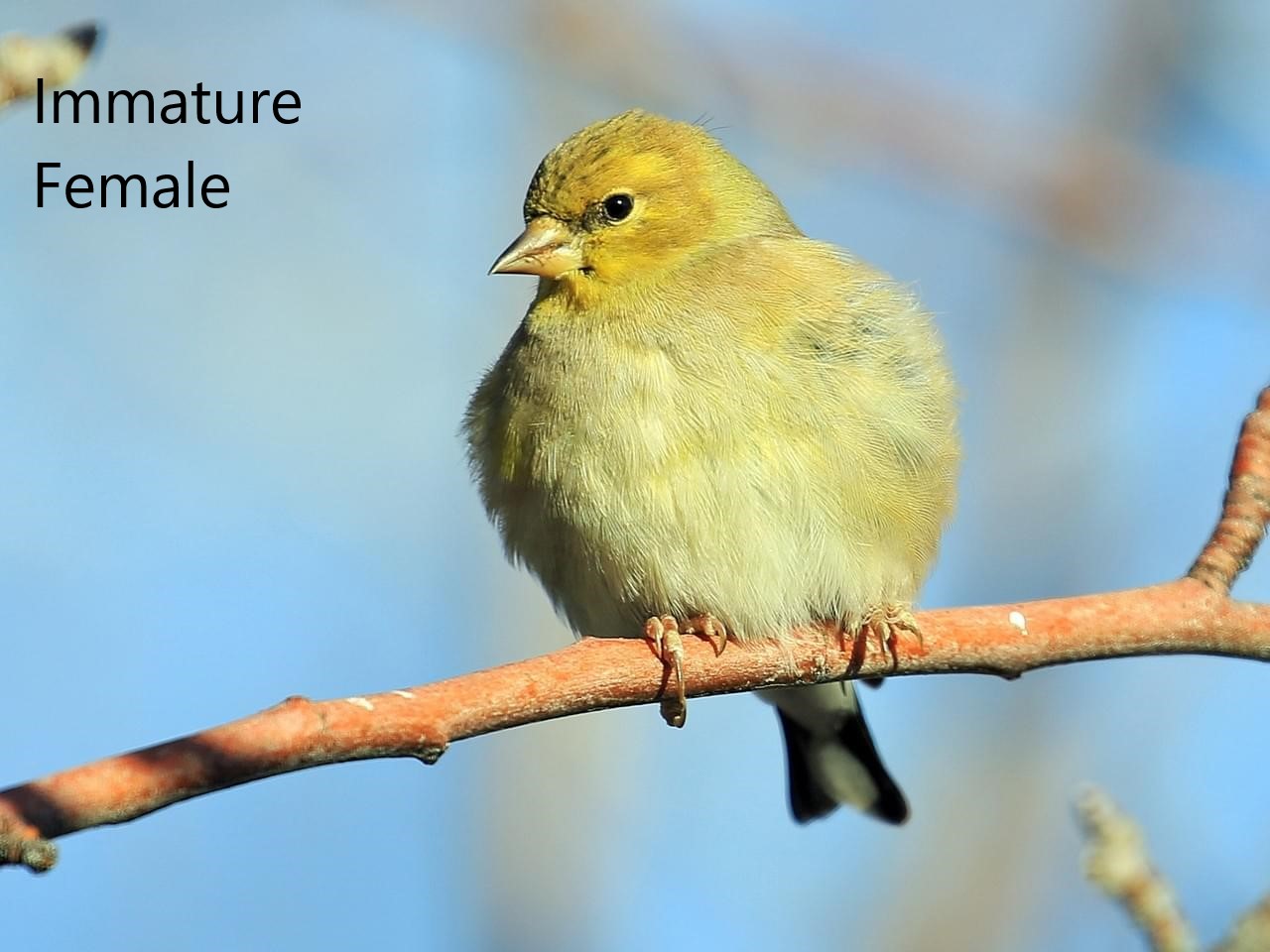
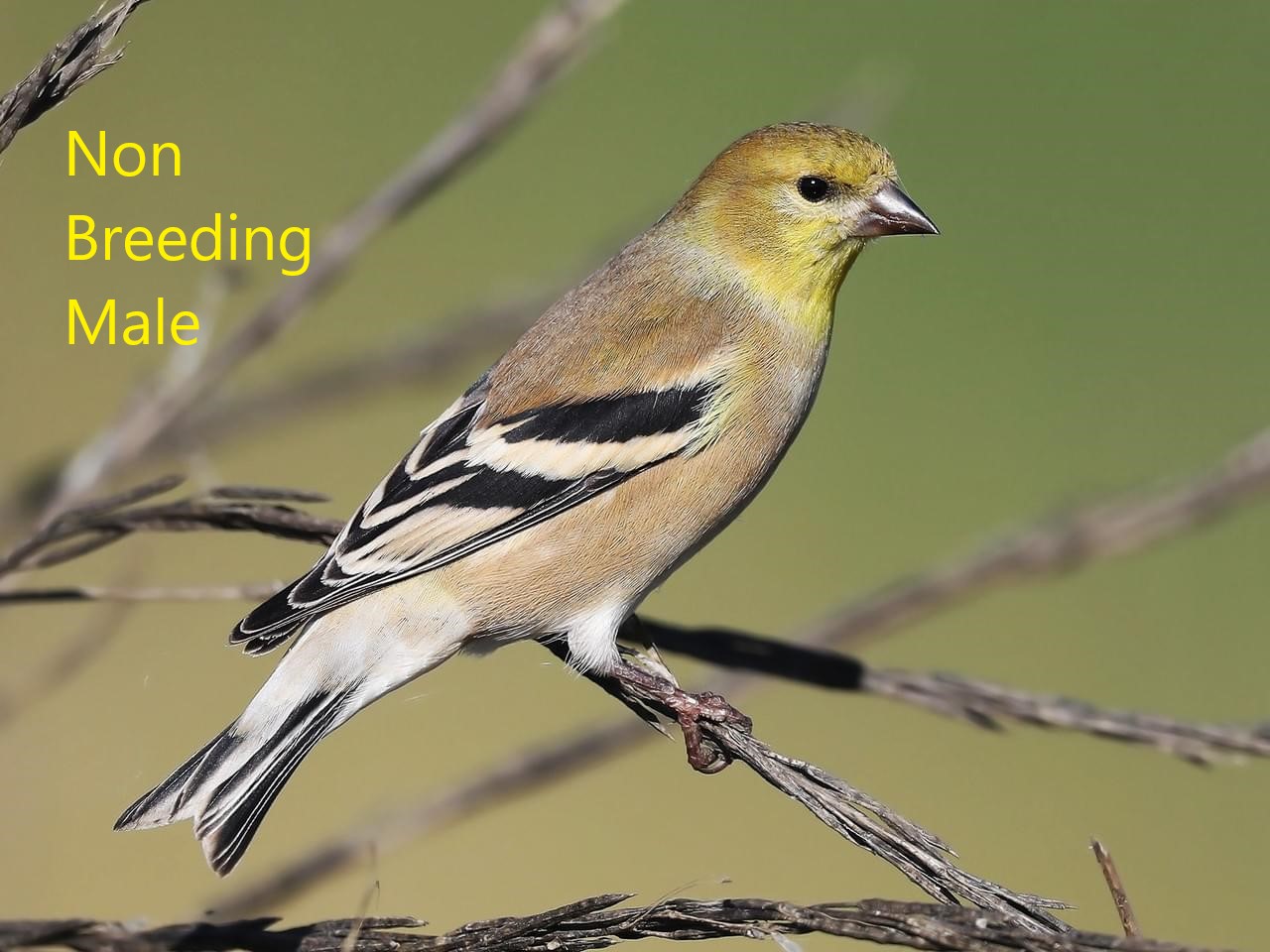
These guys are pretty easy to spot, what with their yellow coloring and all. The brightness of their coloring depends on whether it is a mature female, immature female, a breeding male, a non breeding male, or an immature male. From what I understand, these birds breed in the warmer months. Winter males and all females are duller in color, but when it warms up, the males get their vibrant color back!
https://www.allaboutbirds.org/guide/American_Goldfinch/overview


Here we have the Brown Headed Cowbird:
People tend to not like this one, due to the way it approaches the care for its young. These guys don’t build nests, and instead lay their eggs in another bird’s nest for them to raise. Some of these unsuspecting foster parents recognize the egg and toss it out, but a lot of them don’t even realize it isn’t theirs! This method tends to be detrimental to the foster bird’s own offspring.
Cool Fact: While it takes most birds 30 to 90 minutes to lay an egg, the Cowbird can lay an egg in 10 to 20 seconds. Whoa!
https://indianaaudubon.org/portfolio/brown-headed-cowbird/
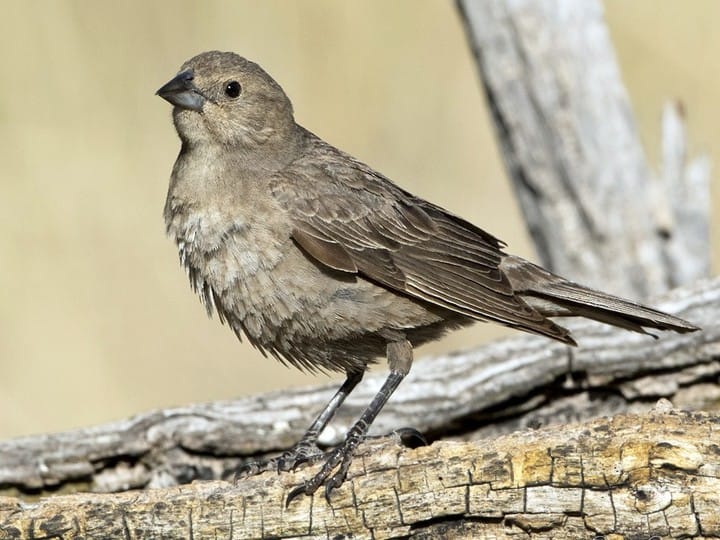
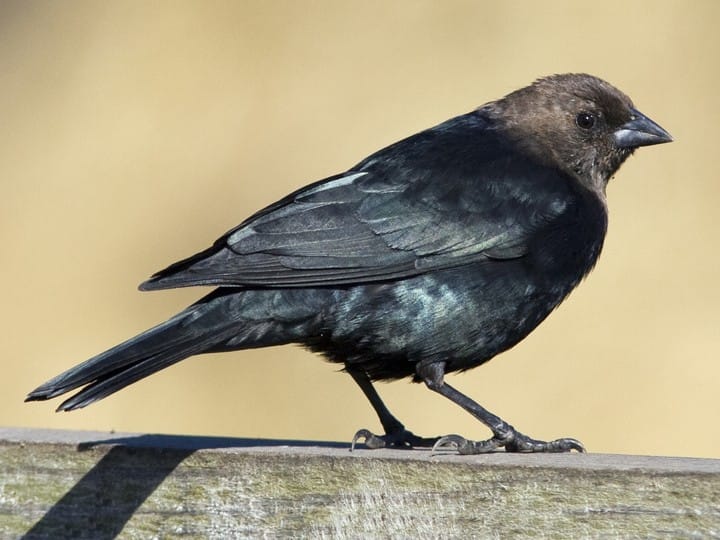
Female( Left) Male (Right)
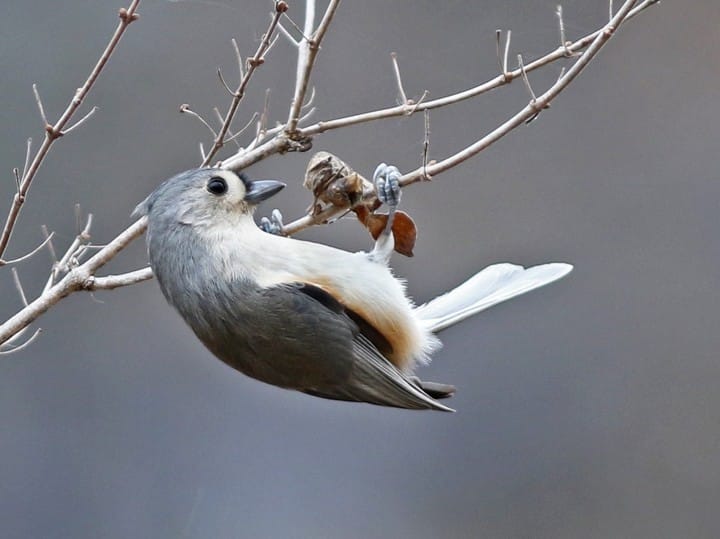
Finally, we have the Tufted Titmouse:
This little cutie can have a different accent depending on what region it’s in! How cool is that?! Another cool thing about them is the little black patch on the male’s head. The bigger it is, the more dominant he is.
I don’t know about you, but I was curious about how it got its name. Turns out the name descends from two ancient Anglo-Saxon root words — “tit,” from a word meaning something small. And “mouse,” from a word applied to any small bird (and the rodent).
A couple facts: It’s a relative of the Chickadee! (makes sense, they’re both adorable), it’s monomorphic, and it sometimes hangs upside down.
https://www.birdnote.org/show/https://indianaaudubon.org/portfolio/tufted-titmouse/
https://www.birdnote.org/show/tufted-titmouse-whats-name

These are all the birds I’m going to cover in this post, but if you guys can’t stop raven about it, I might just add a “Birds of Indiana Part Two”!
Owl see ya later!
~~Cheyenne~~
 The Great Outdoors