
This post is going to be an interesting take on the outdoors. Today we will be exploring the question: why did humans go inside in the first place? Humans have spent most of their existence outside in the natural world. For thousands of years we have been nomads on this earth, so why have we become a sedentary society? To answer this question, we have to look back past history.
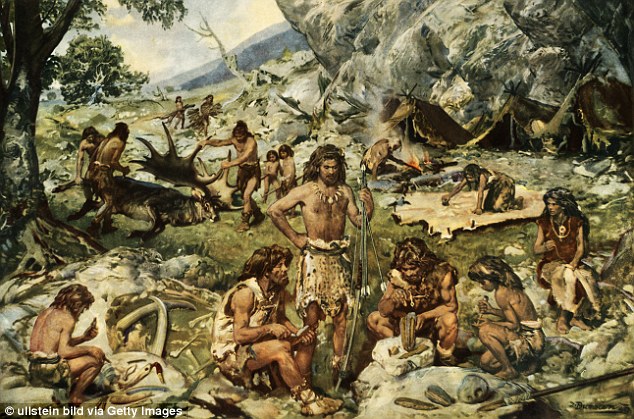
The majority of the information I got for this topic is from the book Sapiens. For the 2.5 million years that humans have been walking this earth, they have lived a hunter-gatherer, nomadic lifestyle. These ancient humans foraged for food and hunted the occasional animal all over the surrounding territory they inhabited. Life for the hunter-gatherers was rich with culture and customs depending on the tribe. They had a close and intimate relationship with nature and had no permanent residence. Life continued like this until about 10,000 years ago when some homo sapien tribes decided to disrupt this symbiotic way of living. This was the dawn of the agricultural revolution.
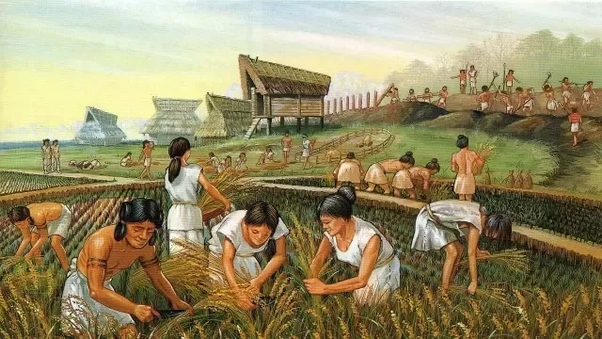
The agricultural revolution took place about 10,000 years ago around south-eastern Turkey, western Iran, and the Levant. This was a slow and gradual process of bands of homo sapiens figuring out how to tame specific plant species for cultivation. It was a generational shift of steadily learning to plant crops, tend to them, and settle down in one area. This is how the shift to indoor living started. Farming and agriculture ultimately forced sapiens to change their ways of living. In order to maintain a plot of land you have to live close by in a permanent settlement. People erected artificial structures to live in that provided shelter and security from the surrounding environment. This might seem like a great idea to settle down in a permanent structure and have abundant food from crops, right? I’m not so sure. Farmers usually had a more difficult and less satisfying life than their foraging ancestors. Hunter-gatherers had a more stimulating experience by having more contact with the natural world and were less in danger of starvation and disease. “… the extra food did not translate into a better diet or more leisure. Rather, it translated into population explosions and pampered elites. The average farmer worked harder than the average forager, and got a worse diet in return. (Sapiens, 79)” The poor diet is the lack of balanced food. Most of the crops were cereal grains, which are poor in vitamins and minerals.
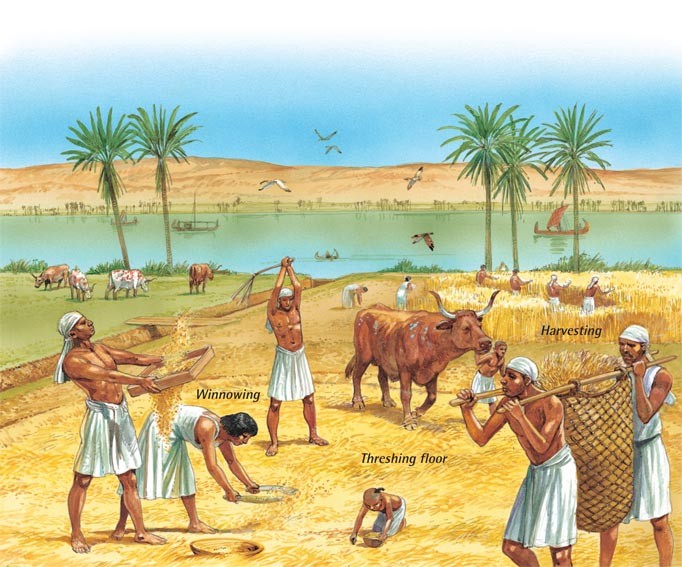
The effect of having a permanent residence had a psychological impact on these ancient farmers. There began to be an attachment to these structures and the home was personal to them. This is where the idea of having personal property came from and sapiens began to accumulate more and more things that tied them to that spot. The idea that a sapien’s house was separate from their neighbors (and from nature) drove the division between the natural environment around us and human society. This is an artificial construct that we developed, and our societies are just carved into nature, we aren’t really separate from it.
This is a very brief explanation of why humans went inside in the first place. It wasn’t the decision of one human or even one tribe. It was a process over thousands of years to slowly shift to this type of living and once it happened there was no going back. The book that I referenced gives an in-depth description of the agriculture revolution, devoting a whole chapter to it. There are some positives and negatives to both types of lifestyles back then, but there is no doubt that there were significant costs to farming. So, get outdoors and stimulate yourselves in nature by living a little more like your foraging ancestors.
 The Great Outdoors