
By Cole Van Lue
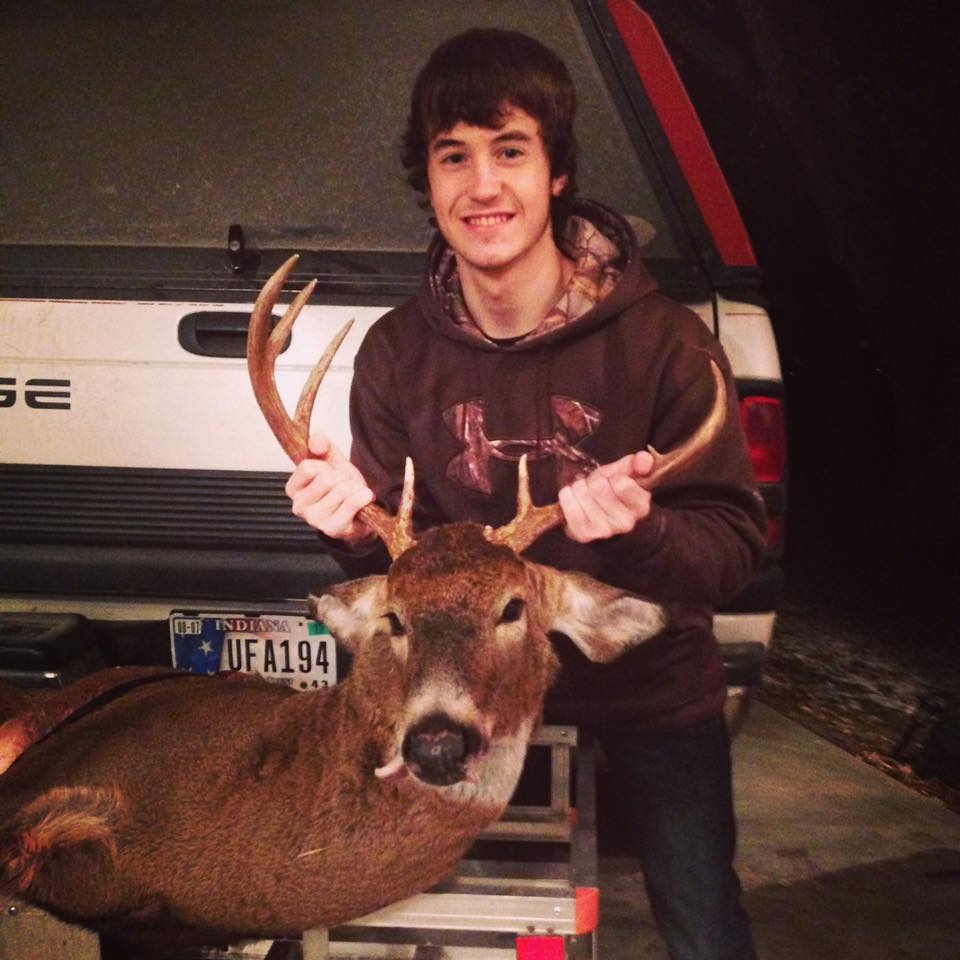
So you want to start hunting whitetails, but you don’t know where to begin? Well, you came to the right place! In this post, I am going to talk about the equipment you will need, some basic hunting tips and tricks, my personal recommendations, and finally the mistakes every hunter has made so you can avoid them. If any of these topics sound interesting to you then stick around! Grab your favorite beverage and some popcorn, because I will tell you everything you need to know to get started hunting.
In my opinion, hunting is one of the greatest outdoor activities you can do. Whether we realize it or not, hunting is in our DNA. If our ancestors never figured out how to be successful hunters, we would not be here today. As society has advanced, hunting has become less of a necessity and more of a sport. However, hunting is still extremely important. Some people still rely on hunting to put food on the table. Some hunt to immerse themselves in nature and enjoy creation. Others hunt because it takes their minds off things. Whatever your reason for hunting is, embrace it. While we all may have different reasons for why we hunt, we all share one common goal; conservation. Hunters are one of the biggest sources of contributors to environmental conservation. Therefore, we take great pride in what we do. If you have ever been to a state park, game preserve, or a public shooting range, it was most likely funded in part by hunters. As you are beginning your journey as a hunter, remember one thing; what you do is important and has an impact.
I started hunting when I was 9 or 10 years old. As someone who was raised in a small town in northern Indiana, it came naturally. I have been surrounded by hunting and hunters for most of my life. In a way, hunting is part of our culture. In fact, hunter’s education was part of our curriculum during middle school. Opening day of firearm season had the same level of excitement and anticipation as Christmas morning. If you were driving through town, it was hard to find someone without hunter’s orange or a deer rack on the back of their vehicle. When we returned to school on Monday morning, my friends and I would share stories and pictures of our thrilling weekend hunts. Some of my fondest memories of my life have come from hunting experiences. There is nothing more rewarding than being able to share those experiences with those around you.
Everyone starts hunting at different ages, and that is perfectly okay. Some people have hunted since they could walk, and others start hunting when they retire. One of the great things about hunting is that it brings together people from all ages and backgrounds. It doesn’t matter how old you are or how much experience you have. As long as you have a love for the outdoors and a dedication to conservation, you are a hunter.
At this point you may be asking yourself, how do I get started? First, let’s cover some basics that all hunters must know.
If you want to start hunting, you will have to complete a hunter’s education course. I know what you are thinking….boring. However, these courses are pretty easy and very straight forward. Typically, classes are held by DNR officers or another individual certified to teach the course. Unlike driver’s ed which covers a lot of topics that are common sense, the hunter’s education course includes topics that are extremely important and usually not known by first time hunters. In addition, there are a TON of specific laws and regulations regarding hunting. Therefore, completing this course is not only required for new hunters, but it is also extremely helpful.
Something else you will need to get if you want to start hunting is a license. There are many different kinds of hunting licenses depending on what type of equipment you are using or what type of game you are hunting. Similar to a drivers license, hunters must carry a hunting license to ensure they are eligible to hunt. It is important to note that failing to purchase a license will likely cost you a ton of money in fines and potential jail time. Do not put off purchasing a hunting license. Licenses can be purchased online or at your local gun store.

Now that we have some basics out of the way, lets talk about some of the first steps you will need to take in order to be a successful hunter.
Some people joke that hunting is one of the most expensive hobbies you can have, but it doesn’t have to be. As I’m sure you were already aware, hunting requires some specific equipment. If you want to start hunting deer, you are going to need the following equipment: camouflage clothing, hunters orange, a legal gun/bow, a tree stand/ground blind, bullets/arrows, and tools for field dressing (gutting a deer). Additional equipment that may be worth purchasing includes binoculars, a shooting stick, flashlights, a backpack, trail cameras, and a range finder. Range finders are necessary if you are bow hunting, as knowing the range you are shooting is extremely important. If you are looking for a reliable, inexpensive range finder, click this link https://amzn.to/31grx3T!
If you’ve ever been to a Cabela’s or Bass Pro Shops, you might have been overwhelmed by the amount of hunting gear they sell. While it may be tempting to buy everything you see, it is important to realize that the price tag or the amount of equipment you have will not make you a better hunter. Some hunters insist on going out and buying a new thousand-dollar gun to make sure what they have is the best of the best. Here’s a bit of advice: don’t. The first gun I ever purchased was used from a local gun store, and it only cost a couple hundred dollars max. I harvested many deer with that gun, and never really had any problems with it. I know it may be tempting to go out and buy all new equipment, but for us practical hunters, it really isn’t worth it.
So now you have your equipment and all the required documentation to hunt. Great, now what? You will now need to find a place where you have permission to hunt and set up your tree stand or ground blind.
Of all steps, this step is probably the hardest. If you don’t own land that is suitable for hunting on, it can be extremely hard to find a place to hunt. It is very common for farmers to give hunters permission to hunt in their fields, as deer feed on their crops and reduce harvest yields. However, it may be challenging finding someone that will allow you to hunt on their land. Luckily, areas around the country have game preserves, or areas of land that are owned by the state and allow hunters access to. This land is ultimately funded through hunting license fees, so many hunters chose to hunt on this public land. One downfall to public land is that there are usually many people that hunt it, which may make it difficult to find a good spot. Regardless of whether you hunt on public or private land, you will want to make sure you put your tree stand up before the season starts, as this will allow you to scope out the area and ensure you have good shooting lanes without impacting your hunts.

As someone who has hunted for 10 years, I have had a lot of good and bad hunting experiences. Let’s talk about some tips and tricks I have learned that may help you be a better hunter.
Hunting is a sport that is very time consuming and requires a lot of patience. Just like any other sport, you likely will not be a very successful hunter if you don’t prepare. One thing you should definitely do before heading out to the stand is shoot your gun and make sure it is sighted in correctly and shooting correctly.
Another tip would be to focus your hunting around dawn and dusk. Deer activity generally increases when the sun is coming up and down, as they travel between their bedding areas and their food sources. If you are planning on hunting in the morning, I would recommend getting into your stand or blind at least an hour before sunrise to make sure you can enter without being seen. Some hunters swear that big bucks only move during the middle of the day, but I have never found this to be true. Don’t feel like you have to be in the field or woods all day, or you may become impatient.
Deer have good eyesight, but they are even better at smelling you. Therefore, I would recommend keeping your hunting clothes in a tote or some type storage that prevents odors from reaching your clothing. It may also be a good idea to spray your clothes with scent blocker, as this will help prevent deer from sniffing you out.
One of the most frustrating things I’ve had to deal with as a hunter is when deer smell me. When deer smell humans or other things they aren’t used to, they run away. I have had several missed opportunities because I was sniffed out by a whitetail. Because of this, I would highly recommend that you learn from my mistakes and take efforts to keep your camouflage scent free. It may prevent you some heartache and frustration in the future.
My biggest recommendation to first time hunters is to be persistent and not give up. It is usually the hunters that put in the most time and effort that harvest the largest and most impressive deer. I have missed plenty of shots, scared off lots of deer, and have hunted many times without seeing anything. However, had I given up hunting after walking out of the field empty handed several times, I would have missed out on some of the most rewarding hunts of my life. Don’t get discouraged if you don’t see deer every time you go out. While we all want to go out and harvest a nice 10 point buck, we have to realize that shooting a deer is not the entire reason why we hunt. Appreciate every part of the hunt, from hearing the leaves crunch under your feet as you walk to your stand in the pitch dark, to watching the squirrels and birds scurry around for food. If you find value in the entire experience, you will find that hunting is much more rewarding.
One thing I would have done differently if I was just starting to learn how hunt would be not comparing myself to other hunters. It is so easy to look at people who have been hunting for a long time and ask yourself why you aren’t seeing the same results. When I first started hunting, I wanted to shoot the bucks I saw on TV. When I started hunting, however, I realized that those hunters were not only professionals, but they were hunting in some of the best areas on the planet. You should be proud of whatever animal you harvest. Don’t compare the deer you shot to your friend’s deer. At the end of the day it is about the experience you had and the food you put on the table.
Hunting is something I am very passionate about. It can be approached in many different ways by many different individuals. There is no single formula or correct process to hunting, which is what makes it so great. Everyone has their own strategies or preferences, but in the end, we are all individuals enjoying greatest outdoor sport of all time.
So there you have it; a simple beginners guide to help you get started enjoying the thrill of the hunt. I hope you found this guide to be useful, and I wish you all the best in your hunting adventures. If you like this type of content, feel free to subscribe to our email list for related content.
 The Great Outdoors