
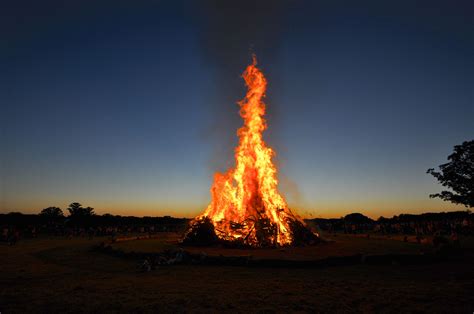
As of now Autumn is in full effect. It’s the time of year when the temperatures are dropping, leaves are falling, and the sun is setting earlier. The natural world around us is turning. The trees are popping with red, yellow, and orange hues. There is a crispness in the air that signals the approaching holiday season. Winter is coming. As we retreat indoors, there is still one thing that draws us outside: bonfires.
Having a bonfire is a common thing to do in the Midwest during the colder months. It is one of my favorite things about the fall and it’s a great way to hang outside with friends. In high school, my friends and I hung out around a bonfire most weekends of the fall and winter months. Having grown up in a rural area with not much else to do, it was a good way to pass the time. I’ve been to massive bonfires that stretch 20 feet in the air, and I’ve been to small ones with just a couple close friends. Really there’s no right way of doing one and they can be used in most gatherings during the winter months.

What are the origins of lighting bonfires? Why do we light them in the first place? And why has this tradition stuck around? Bonfires have been used in many of the cultures around the world as a means of celebration. Each culture has different reasons for lighting them at different times of the year. In the predominately Christian countries of Europe, bonfires are associated with feast days for saints. For example, countries such as Canada (western but not European) and France celebrate the feast of St. John around the summer solstice about June 24th. There are, however, older traditions within these cultures that trace their origins back before Christianity. Midsummer Eve was a traditional holiday celebrated in the Nordic countries by lighting bonfires, before it was converted into St. John’s feast day. In Ireland, the pagan festival of Samhain was celebrated on the night of October 31st. Most people nowadays recognize this holiday as Halloween. In the Czech Republic, they have a festival called “Burning the Witches”, taking place on the night of April 30th. This is an old folk holiday that is still observed by gathering together, lighting bonfires, and celebrating the coming spring. It is said that witches fly on this night, and to protect themselves, people lit bonfires.
Even in non-western cultures bonfires, are prevalent. The different regions of India each celebrate different folk festivals that are specific to their cultures. For example, in the northern state of Punjab, people gather around a bonfire and eat sweets during the festival of Lohri to celebrate the winter solstice. In Japan, more specifically the city of Kyoto, the Buddhist celebration of Gozan no Okuribi marks the end of the O-Bon season and is a bonfire-based festival.
These large fires have been a part of every human culture on this earth. They trace their roots back to ancient celebrations based on the customs of the culture, but it goes back even farther than that. These communal fires trace back to hunters and gatherers. Bonfires were ways of celebration for the tribes. These traditions have stuck around in human culture and have influenced the festivals and customs of today. They may even be as old as humans have walked this earth.
It’s clear that bonfires are a distinctly human phenomenon and is rooted in our history. It’s a way of celebration and appreciation of our lives and culture. In my experience, bonfires have always been associated with festivities. By lighting bonfires, we are all carrying on an ancient human tradition.
 The Great Outdoors